




Khabarart in the Wilayat of Taqah — one of the standout natural destinations in the Dhofar Governorate — is taking centre stage during the Khareef season. The area is renowned for its soaring mountain heights reaching up to 850 metres above sea level, natural springs, sprawling valleys, diverse vegetation, and breathtaking sights of fog and clouds sweeping through gorges and touching mountain peaks.
Located at the far western end of Taqah, Khabarart features a rugged mountainous landscape and rich ecological diversity. These attributes have made it a favourite spot for nature lovers, photography enthusiasts, and visitors seeking relaxation, particularly during Khareef Dhofar Season when the highlands are carpeted in lush greenery and enveloped in dense fog.
The region’s high peaks offer panoramic views over the surrounding mountains and valleys, while its mild climate and cool breezes create an ideal setting for hiking and outdoor leisure.
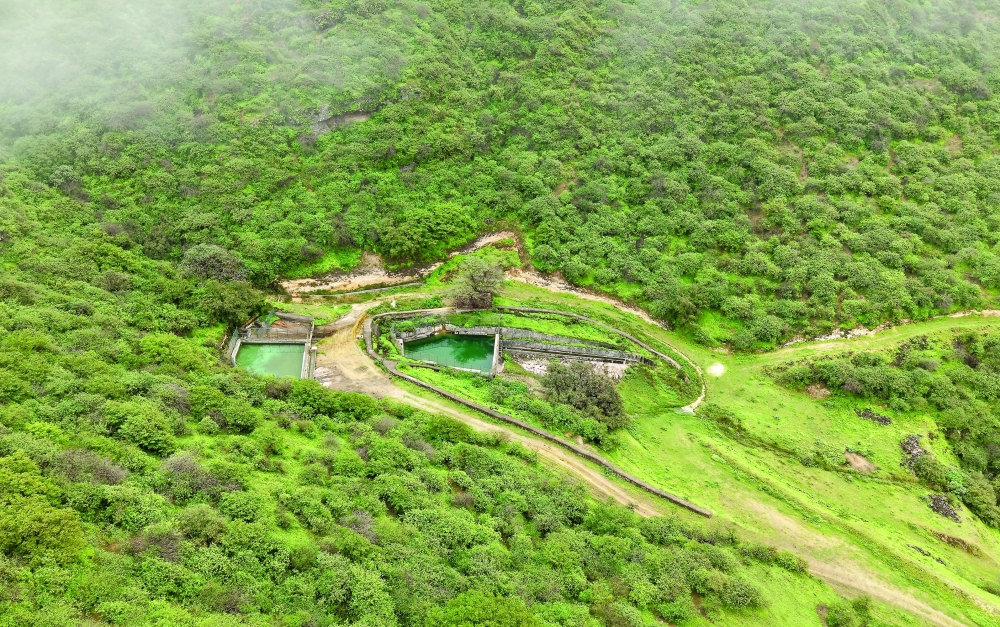
The landscape is especially magical in the early morning hours, as layers of fog pool in the valley beds and ravines. Throughout the day, the scenery constantly evolves with the shifting clouds. Towards the end of Khareef, light northerly winds keep the fog trapped inside the valleys, making the clouds appear to flow gently between the mountains in a striking natural display.
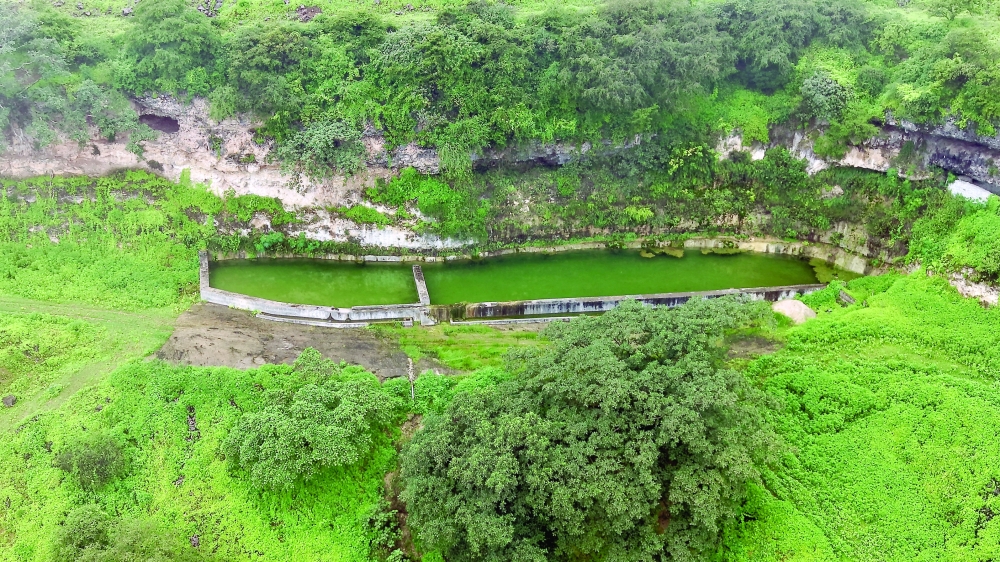
Natural springs are among Khabarart’s most prominent landmarks. Ankhar, Za', Shanz, and Inshaf were historically vital to local communities, serving as primary year-round sources of drinking water.
While modern water infrastructure has evolved, these springs have retained their importance as natural heritage sites. Visitors today flock to them to enjoy the flowing waters, shade trees, and tranquil atmosphere. Local authorities highlight their potential for sustainable tourism through environmental conservation and the introduction of eco-friendly visitor amenities.
During a tour of the Khabarart region to capture the seasonal atmosphere, Oman Newspaper spoke with several visitors who expressed their admiration for the area's pristine nature and varied landscape.
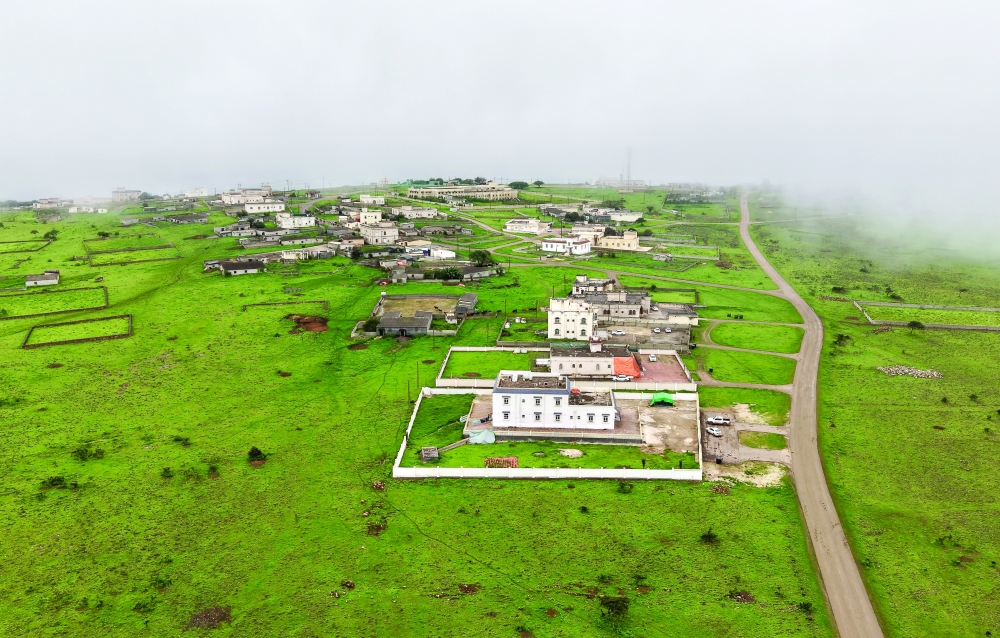
Mohammed bin Khamis al Alawi, from the Wilayat of Sur, described his trip as one of his best experiences yet. He noted that the vast green stretches across the peaks, combined with wide valleys and cool weather, give Khabarart a uniquely captivating atmosphere. He added that exploring the region offered a serene escape, making it a must-visit Khareef destination.
Said bin Masoud al Rashdi from Wadi Bani Khalid highlighted the area's untouched, open nature. He shared that the diverse terrain allowed him to spend hours exploring, taking photos, and taking in the scenery, adding that he looks forward to returning in future seasons.
Similarly, Mohammed bin Amir al Mashaikhi from Jaalan Bani Bu Hassan noted that the unique combination of valleys, mountain peaks, water springs, and low-hanging clouds in a single area gives Khabarart a rare ecological appeal tailored for ecotourists.
Khabarart takes on a distinct character in October, when its high plains bloom with the Baidhah — a wild species featuring single-stemmed white flowers resembling lilies, with starchy tubers growing beneath a thick brown skin underground.
The Baidhah is deeply rooted in the culinary heritage of Dhofar's residents. Historically, locals harvested the tubers and prepared them using traditional slow-cooking techniques over specialised pits, reflecting a unique cultural practice tied directly to the region's natural environment.
Khabarart is also well-known for its high-quality natural mountain honey, benefiting from a rich abundance of wild trees and flowering plants that provide an ideal habitat for beekeeping.
Combined with its vibrant floral diversity, Khabarart represents a harmony of natural beauty and cultural heritage, positioning it as a key destination for boosting ecotourism in the Wilayat of Taqah and across Dhofar Governorate.
What to see and enjoy in Khabarart?
1. Prime Location & Terrain: Khabarart is located in the western part of Taqah (Dhofar) and sits up to 850 metres above sea level.
2. Khareef Attraction: During the season, the region becomes a hotspot due to its cool climate, dense fog, and clouds rolling over the peaks.
3. Historic Water Springs: It features key natural springs — including Ankhar, Za', Shanz, and Inshaf — which historically served as primary drinking sources for locals.
4. Cultural flora (Baidhah Plant): In October, the mountains bloom with the white-flowered Baidhah plant, whose subterranean tubers are slow-cooked.
5. Mountain Honey: Thanks to its abundant wild flora and flowering trees, Khabarart is well-known for producing high-quality natural mountain honey.
6. Ecotourism Potential: Visitors praise its untouched landscape and serene atmosphere, highlighting Khabarart as a promising destination for ecotourism.
Oman Observer is now on the WhatsApp channel. Click here